
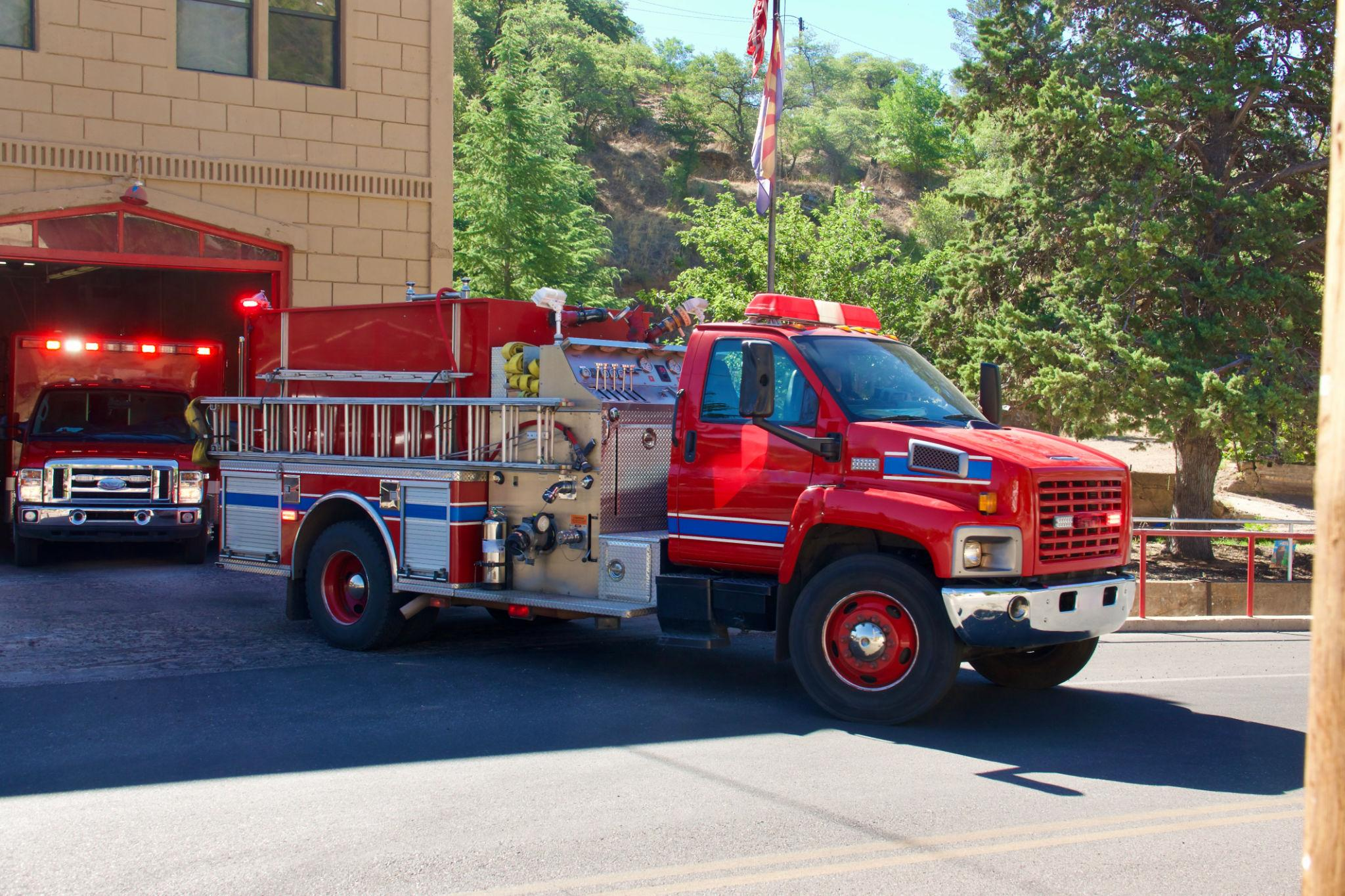
How to Become a Firefighter in the USA – Eligibility, Salary, Career Path
Becoming a firefighter in the United States is more than getting a job, it’s committing to public service, teamwork, and continuous training.
This guide walks you through eligibility, hiring steps, training, salary, and long-term career growth, with practical tips to help you prepare.
What Firefighters Do (Day-to-Day Reality)
Firefighters don’t just fight fires. Depending on the department, you’ll also:
- Respond to medical emergencies (many are EMTs/paramedics)
- Handle vehicle accidents and rescues
- Manage hazardous materials incidents
- Educate communities on fire prevention
- Maintain equipment and stations
Work schedule: Often 24-hour shifts followed by 48 hours off (varies by department).
Basic Eligibility Requirements
Requirements vary slightly by state/city, but most departments expect:
Minimum Requirements
- Age: 18 years or older
- Education: High school diploma or GED
- Driver’s License: Valid state license
- Background: Clean criminal record (strict checks)
- Physical Fitness: Strong endurance, strength, and agility
Common Additional Requirements
- EMT certification (often required or strongly preferred)
- Fire science coursework (helpful, not always mandatory)
- U.S. citizenship or legal work authorization
Step-by-Step: How to Become a Firefighter
1) Get Your Education in Order
Start with a high school diploma/GED. Courses in biology, chemistry, and physical education are useful. Many candidates also pursue Fire Science at a community college.
2) Earn EMT Certification
Most departments require you to be an Emergency Medical Technician (EMT).
- Training time: ~3–6 months
- Skills: patient care, CPR, emergency response
- Certification boosts your chances significantly
3) Apply to Fire Departments
Firefighter hiring is competitive. You’ll apply when departments open recruitment.
Typical application includes:
- Online application
- Written exam
- Physical test registration
4) Pass the Written Exam
Tests assess:
- Reading comprehension
- Basic math
- Mechanical reasoning
- Situational judgment
Tip: Practice sample firefighter exams to get familiar with question styles.
5) Clear the CPAT (Physical Ability Test)
The Candidate Physical Ability Test (CPAT) simulates real tasks:
- Stair climb with weight
- Hose drag
- Equipment carry
- Ladder raise/extension
- Victim rescue (dummy drag)
Preparation tip: Train with weighted vests, stair workouts, and grip strength exercises.
6) Go Through Interviews & Background Checks
You’ll likely face:
- Panel interviews
- Psychological evaluation
- Medical exam
- Drug screening
- In-depth background check
Departments look for teamwork, integrity, and composure under pressure.
7) Attend Fire Academy Training
If selected, you’ll join a fire academy (usually 12–24 weeks).
Training includes:
- Fire suppression techniques
- Search and rescue
- Hazardous materials handling
- Emergency medical response
- Equipment and safety procedures
You’ll graduate as a probationary firefighter.
Firefighter Salary in the USA
Salaries vary by location, experience, and certifications.
Average Pay
- Entry-level: $40,000 – $55,000/year
- Mid-career: $55,000 – $80,000/year
- Experienced/metro areas: $80,000 – $100,000+
Additional Benefits
- Overtime pay
- Health insurance
- Retirement/pension plans
- Paid time off
- Hazard pay (in some roles)
Large cities (e.g., California, New York, Texas metros) tend to pay more.
Skills You Need to Succeed
- Physical fitness & stamina
- Quick decision-making under pressure
- Communication & teamwork
- Emotional resilience
- Attention to safety and detail
Challenges to Be Aware Of
- Physically demanding work
- Exposure to danger and extreme conditions
- Irregular schedules (nights, holidays)
- Emotionally intense situations
- Strong support systems and healthy habits matter.
Tips to Increase Your Chances
- Get EMT certified early
- Volunteer with a local fire department if possible
- Maintain top physical fitness year-round
- Practice CPAT tasks specifically
- Keep a clean record and solid references
- Apply to multiple departments (widen your chances)
Firefighter Job Requirements and Selection Process (USA)
Becoming a firefighter in the United States involves meeting strict eligibility requirements and passing a multi-stage hiring process designed to test your fitness, knowledge, judgment, and character.
Here’s a clear, people-first breakdown so you know exactly what to expect and how to prepare.
Basic Firefighter Job Requirements
Requirements vary by city/state, but most departments share a common baseline.
Minimum Eligibility
- Age: At least 18 (some departments prefer 21+)
- Education: High school diploma or GED
- Driver’s License: Valid state license
- Legal Status: U.S. citizen or authorized to work
- Background: Clean record (strict checks)
Physical & Medical Standards
- Strong cardio endurance, upper-body strength, and mobility
- Ability to work in heat, smoke, and confined spaces
- Pass a medical exam (vision, hearing, cardiovascular health)
Certifications (Often Required or Preferred)
- Fire science coursework (helpful but not always mandatory)
- EMT (Emergency Medical Technician): Frequently required
- CPR/AED certification
Firefighter Selection Process (Step-by-Step)
Hiring is competitive and can take several months. Most departments follow a similar sequence:
STEP 1: Application Submission
You apply when a department opens recruitment.
What’s included:
- Online application
- Basic eligibility verification
- Application fee (sometimes)
Tip: Apply to multiple departments to improve your chances.
STEP 2: Written Examination
This tests your ability to learn and apply information.
Common sections:
- Reading comprehension
- Basic math
- Mechanical reasoning
- Situational judgment
Tip: Practice firefighter-specific test questions to understand the format.
STEP 3: CPAT (Physical Ability Test)
The Candidate Physical Ability Test (CPAT) simulates real firefighting tasks:
- Stair climb with weighted vest
- Hose drag and pull
- Ladder raise and extension
- Equipment carry
- Victim rescue (dummy drag)
Tip: Train with stairs, weights, and grip-strength exercises. Consistency matters more than intensity.
STEP 4: Oral Interview (Panel Interview)
You’ll be evaluated by a panel (often officers from the department).
They assess:
- Communication skills
- Decision-making under pressure
- Teamwork and attitude
- Motivation for public service
Tip: Prepare real-life examples that show responsibility, teamwork, and integrity.
STEP 5: Background Investigation
A detailed check of your history:
- Criminal record
- Employment history
- References
- Driving record
- Social media (in some cases)
Tip: Be honest discrepancies can disqualify you.
STEP 6: Medical & Psychological Evaluation
Ensures you are fit for duty.
Includes:
- Full physical exam
- Drug screening
- Psychological assessment
Tip: Maintain good health habits and be consistent in your responses.
STEP 7: Fire Academy Training
If selected, you’ll attend a fire academy (12–24 weeks).
Training covers:
- Fire suppression techniques
- Rescue operations
- Hazardous materials (HazMat)
- Emergency medical response
- Equipment handling and safety
You graduate as a probationary firefighter.
How Long Does the Process Take?
- Typical timeline: 3 to 12 months
- Some large departments may take longer due to competition and testing cycles
Common Reasons Candidates Get Rejected
- Failing the CPAT due to poor fitness
- Low score in written exam
- Weak interview performance
- Incomplete or dishonest application
- Negative background findings
How to Improve Your Chances
- Get EMT certification early
- Stay in excellent physical shape year-round
- Practice mock interviews
- Study for written exams
- Volunteer or gain related experience
- Apply to multiple departments
Final Thoughts
Becoming a firefighter in the U.S. requires dedication, preparation, and persistence but it’s a highly rewarding career with strong community impact and growth opportunities.
If you build the right skills, stay consistent with training, and prepare for each stage of hiring, you’ll put yourself in a strong position to succeed.
The firefighter hiring process is demanding because the job itself is demanding.
If you prepare for each stage academically, physically, and mentally you’ll stand out in a competitive field. Focus on consistency, honesty, and steady improvement.